Tensile Structures
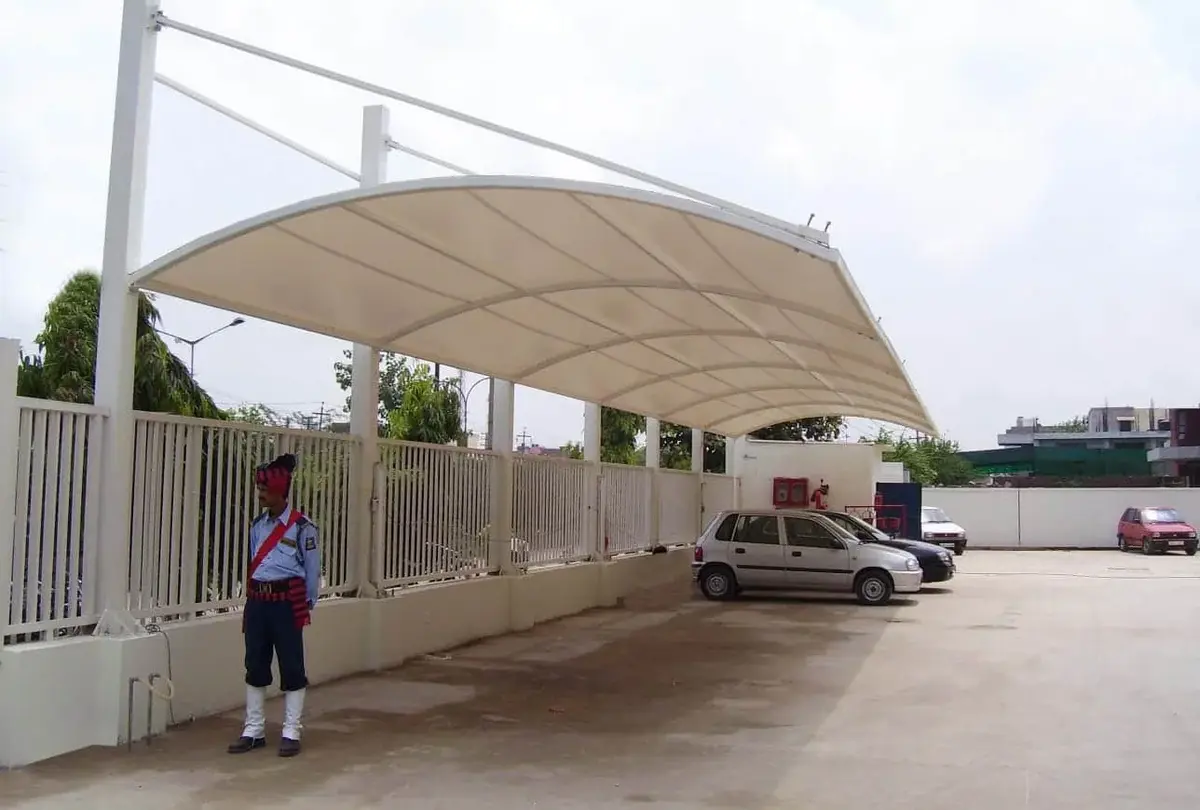
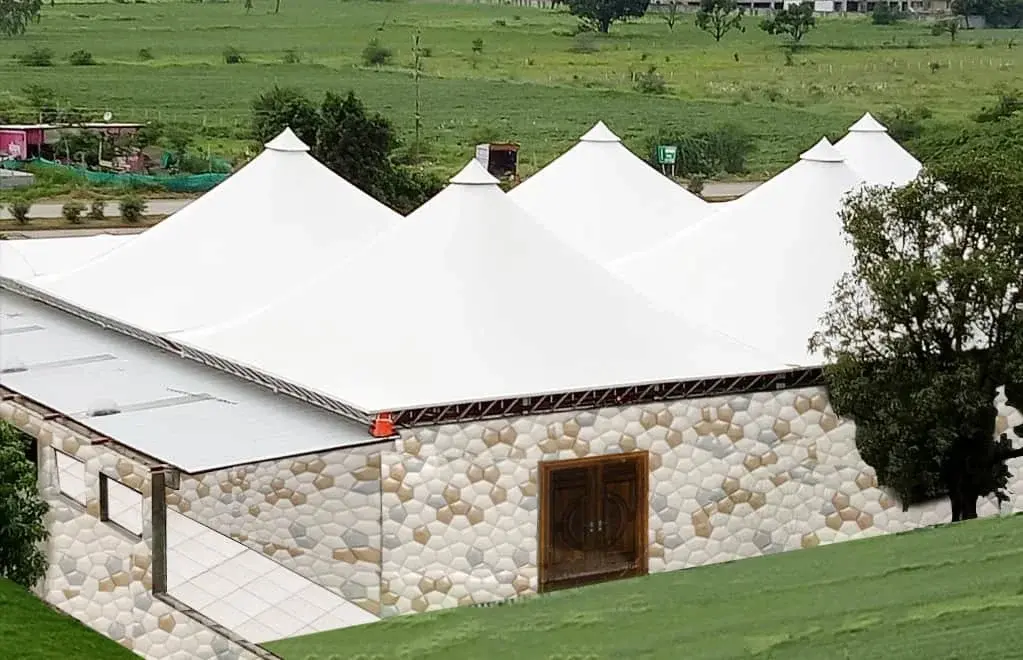
A tensile structure carries its load through tension rather than compression. A fabric membrane is stretched between masts, cables and anchorages, and the geometry of that tension — not the mass of the material — is what gives the structure its strength. Adjusting the position of the supports generates the double curvature that makes these forms both stable and visually distinctive.
The result is a structure that installs quickly, spans large areas with very little material, and costs considerably less to maintain than steel or concrete. Depending on the membrane specified, a tensile structure can also offer flame resistance, controlled light transmission and a service life measured in decades.
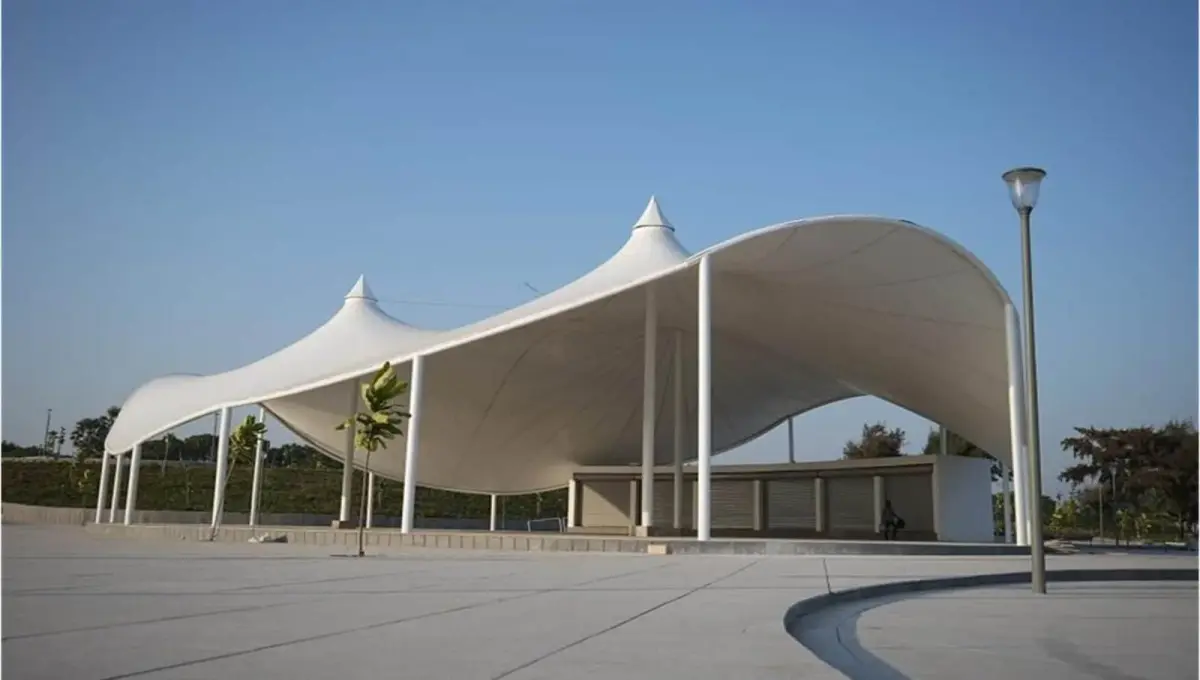
Why this structure type works.
-
Versatility
Tensile structures can be adapted to various shapes and sizes, making them suitable for a wide range of applications including stadiums, pavilions, and outdoor shelters.
-
Aesthetic Appeal
Their sleek and modern design adds aesthetic value to any environment, enhancing the visual appeal of the structure and its surroundings.
-
Natural Lighting
Tensile membranes allow natural light to penetrate, reducing the need for artificial lighting during the day and creating a well-lit, inviting space.
-
Cost-Effectiveness
Tensile structures are often more cost-effective than traditional construction methods due to their lightweight materials and simplified installation processes.
-
Durability
High-quality tensile fabrics are durable and resistant to weathering, UV radiation, and environmental factors, ensuring long-term performance and minimal maintenance requirements.
-
Energy Efficiency
Tensile structures can be designed to maximize airflow and ventilation, promoting natural cooling and reducing the need for mechanical HVAC systems, thus improving energy efficiency.
-
Quick Installation
Compared to conventional construction, tensile structures can be installed relatively quickly, minimizing disruption to the site and allowing for faster project completion.
-
Flexibility
Tensile membranes can be tensioned and manipulated to create unique shapes and forms, offering architects and designers greater flexibility in their creative expression.
-
Sustainability
Many tensile fabrics are recyclable, and the lightweight nature of the structures reduces the amount of material needed for construction, making them a sustainable choice for environmentally-conscious projects.
-
Adaptability
Tensile structures can be easily dismantled, relocated, or expanded, providing flexibility for temporary or permanent installations that need to adapt to changing needs or locations.
Specified against the brief, not from a default.
Service life, light transmission, fire performance and span decide which membrane this structure is built from.