Walkway Tensile Structures
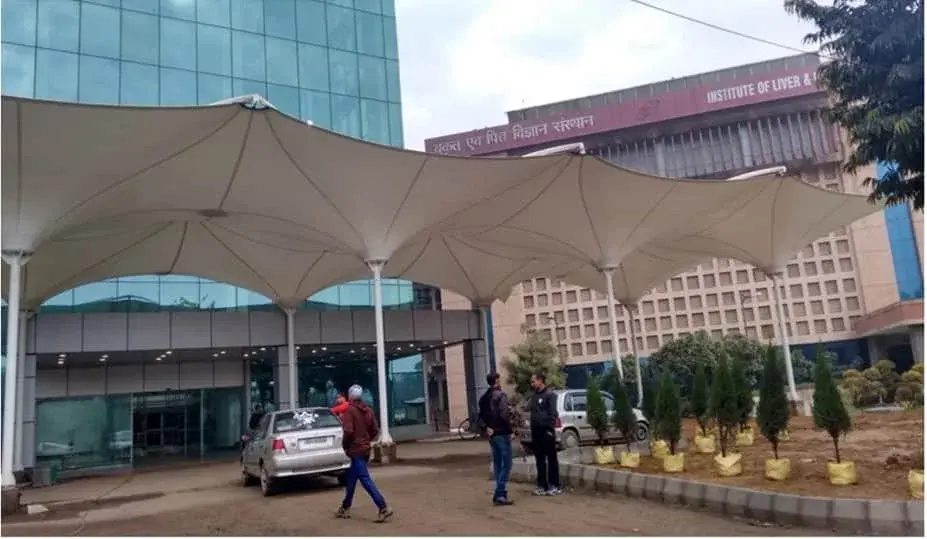
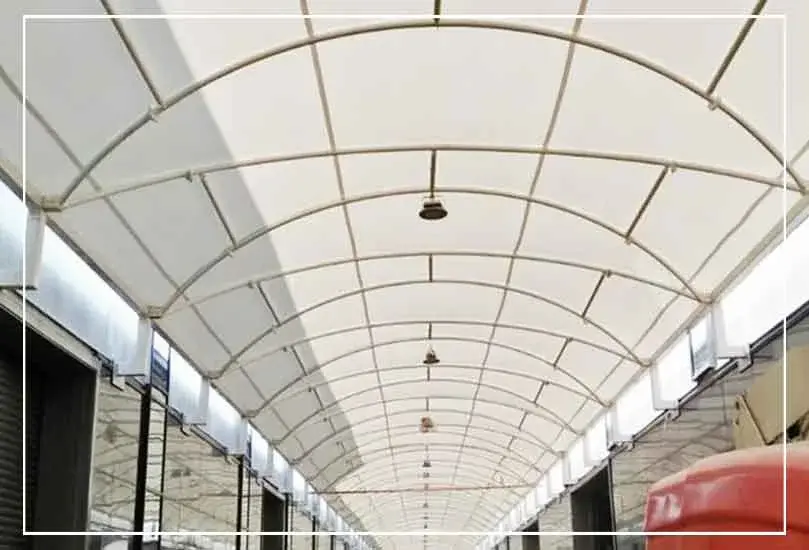
A walkway canopy gives a pedestrian route continuous shelter from sun and rain, linking buildings across a campus, covering a hospital approach, or running the length of an industrial site. Because the membrane is light and the supports are slender, the canopy covers the path without closing it in.
Membrane selection matters most here. The fabric has to stay durable and weather-resistant over long runs, hold its colour, and shed water cleanly to designed discharge points rather than along the walking surface. Spans, column positions and drainage are all set by the route itself.

Why this structure type works.
-
Weather Protection
They provide shelter from rain, snow, and sun exposure, allowing pedestrians to walk comfortably regardless of the weather conditions.
-
UV Protection
Tensile membranes can block harmful UV rays, providing additional protection for pedestrians from sunburn and reducing the risk of heat-related illnesses.
-
Enhanced Safety
By providing covered walkways, tensile structures enhance safety for pedestrians by reducing the risk of slipping on wet surfaces and providing a barrier from vehicular traffic.
-
Aesthetic Appeal
The modern and sleek design of tensile walkway structures adds aesthetic value to outdoor spaces, enhancing the overall look and feel of the environment.
-
Natural Lighting
Tensile membranes allow natural light to filter through, creating a well-lit and inviting walkway experience during the day.
-
Quick Installation
Tensile walkway structures can be installed relatively quickly compared to traditional construction methods, minimizing disruption to pedestrian traffic.
-
Customization
They can be customized in terms of size, shape, and color to fit the specific requirements and aesthetic preferences of the walkway location.
-
Durability
High-quality tensile fabrics used in these structures are durable and resistant to weathering, ensuring long-term performance with minimal maintenance requirements.
-
Space Optimization
Tensile walkway structures can be designed to maximize the efficient use of space, providing covered pathways without occupying excessive ground area.
-
Sustainability
Many tensile fabrics used in walkway structures are recyclable, and the lightweight nature of the structures reduces the environmental impact during construction and transportation.
Specified against the brief, not from a default.
Service life, light transmission, fire performance and span decide which membrane this structure is built from.